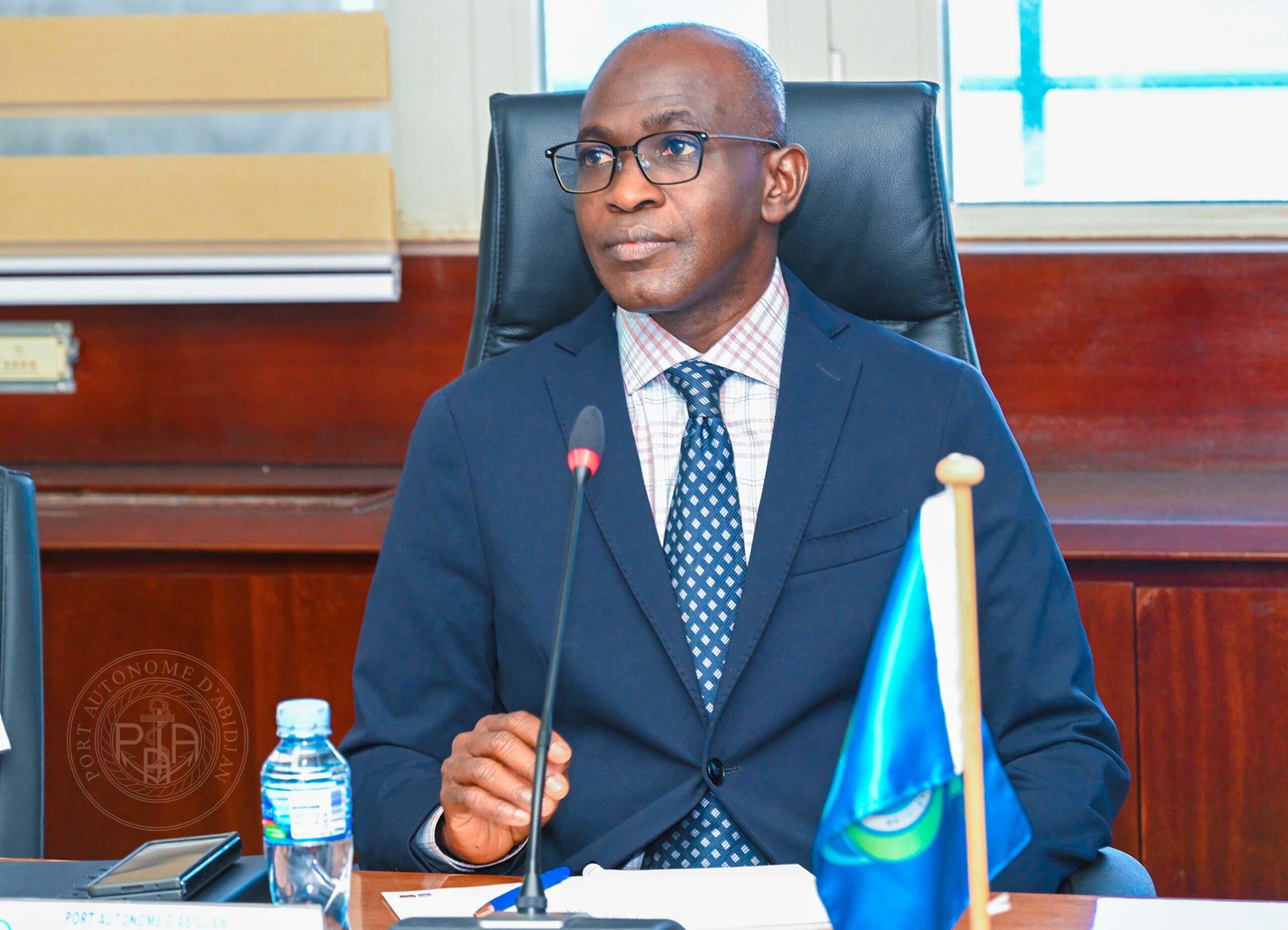
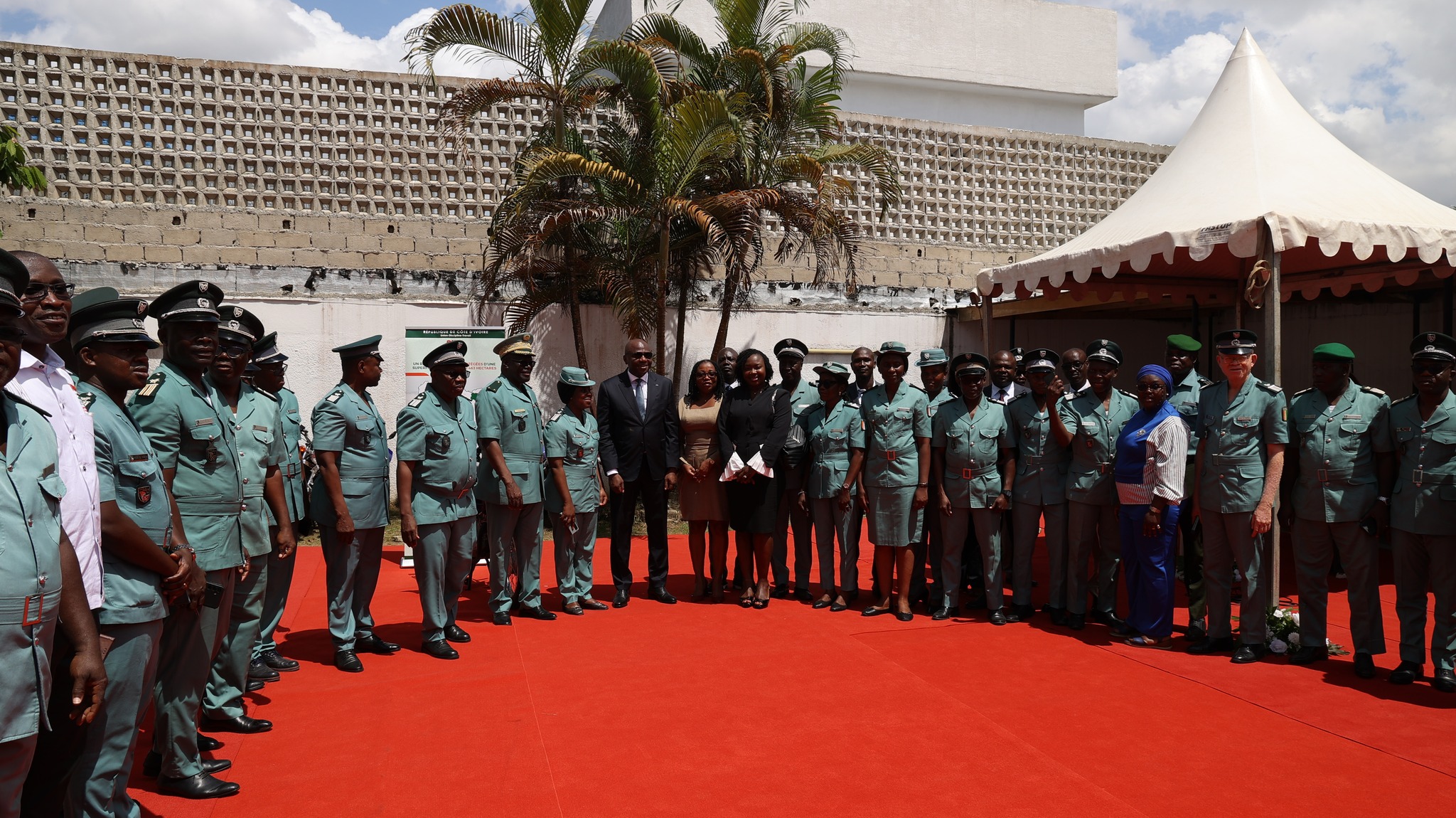
 The Minister of Environment and Ecological Transition, Mr. Abou Bamba, announced on Monday, May 4, 2026, the creation of five marine protected areas during his visit to the headquarters of the Ivorian Office of Parks and Reserves (OIPR) in Cocody.
This initiative is part of the next phase of the Protected Areas Management Framework Program (PCGAP 2025–2039), aimed at strengthening and enhancing Côte d’Ivoire’s natural heritage. It includes the establishment of five (5) marine protected areas, namely:
- the Côte d’Ivoire–Liberia transboundary site (Cavally);
- the Dassioko Classified Forest (Gboklè);
- Azagny National Park;
- the Côte d’Ivoire–Ghana transboundary site; and
- the Ehotilé Islands site, which has newly been added to the list.
Minister Abou Bamba reaffirmed the Ivorian government’s ambition to transform these areas into high-value tourism hubs capable of contributing to national economic development and improving the living conditions of local communities. In this regard, he reiterated his commitment to mobilizing the necessary resources for implementing the new PCGAP strategy.
“The stated ambition is clear. The Ministry in charge of the Environment aims to turn Côte d’Ivoire’s protected areas into high-tourism-value sites capable of significantly contributing to the country’s development and improving the living conditions of surrounding communities. I am committed to advocating for this new Framework Program with the Government and technical and financial partners to mobilize the resources required for its implementation,” he stated.
Addressing challenges related to the management of these areas, the Minister expressed concern over the persistence of illegal activities and unauthorized settlements in some existing protected areas, despite repeated government warnings.
“Measures will be strengthened to ensure that protected areas fully play their role for the benefit of future generations. In this regard, an update of penal provisions is underway, with stricter sanctions to guarantee better conservation of our protected areas,” he emphasized.
Established by decree in 2002, the Ivorian Office of Parks and Reserves is tasked with preserving and enhancing a representative sample of the country’s biodiversity while ensuring the sustainable maintenance of ecological processes. It currently manages 19 protected areas covering a total surface area of 2,520,725 hectares, representing approximately 7% of the national territory. Three sites have recently been awarded the International Union for Conservation of Nature (IUCN) Green List label, a distinction that places Côte d’Ivoire among exemplary countries in terms of sustainable protected area management.
According to the Director General of the OIPR, Chief Conservator Tondossama Adama, these protected areas represent all of the country’s ecosystems, including forests, savannas, mountains, and aquatic environments. They therefore constitute a natural heritage of invaluable importance for present and future generations.
In terms of human resources, the OIPR employs approximately 600 staff deployed across six regional directorates. These teams ensure the daily operational management of the network through six main functions: surveillance and protection, infrastructure and equipment, ecological monitoring and research, tourism development, community outreach measures, and team management.
On the sidelines of the visit, Minister Abou Bamba officially handed over seventeen (17) motorcycles to OIPR teams. This equipment is intended to strengthen the operational capacity of field agents, particularly in monitoring and combating illegal activities within protected areas.
Source: Ministry of Environment and Ecological Transition